

There's been a noticeable shift in how people talk about crypto.
More builders are openly questioning whether it's worth staying. Not just because of markets, but because of deeper frustrations around incentives, credibility, direction, and increasingly, values alignment.
After working in this space through Crypto Altruists for over four years, it feels clear that the shared story is less settled than ever before.
Where there used to be a broad sense of strong shared values (the reason many of us joined in the first place), the conversation now feels fragmented. Different parts of the ecosystem are pulling in different directions, and people are asking more directly: what is this actually for?
Earlier cycles felt like open experimentation, with excitement around building something entirely new. But now, the stakes feel different. The tension isn't theoretical anymore.
You see it in politicians launching memecoins, turning tokens into vehicles for grift, influence, and straight up corruption. You see it in principles like privacy and decentralization being quietly negotiated away. You see it in products judged primarily by token performance rather than usefulness, and in crypto advocacy organizations giving politicians “A” ratings because say a few buzzwords while simultaneously dismantling human rights and consolidating power centrally.
And you see it in the uncomfortable reality that crypto has become associated, fairly or not, with political movements, like MAGA, that many of us find deeply troubling.
We aren't just collectively imagining what can be built anymore. We're being forced to reckon with what values are being encoded into the systems taking shape, and who those systems are really serving.
There's also fatigue. Many builders have ridden through years of constant churn: hype cycles, projects rising and disappearing, teams restructuring, narratives resetting. After that kind of instability, and before jumping "onto the next rodeo," it's only natural to ask more seriously: what has actually worked, and what needs to change?
From where we stand, the space is not moving in a single direction. It's branching.
Some parts of the industry remain driven by speculation and short-term gain. Many products struggle to stand on their own without token momentum. Trust has been strained repeatedly by scams, by broken promises, and more recently, by the industry's willingness to align with political actors who undermine the very freedoms crypto was supposed to protect.
It's fair to question whether the loudest voices in the room share your values. It's fair to wonder if the incentives are aligned with long-term good.
At the same time, serious efforts continue to build infrastructure that expands access, improves coordination, and creates new ways of funding and organizing collective action.
That tension is real, and it shapes how the space is perceived.
Looking past the noise, we're still seeing a steady stream of work on real-world use cases that benefit everyday people, rather than simply exacerbating long-lasting systemic inequities. Much of it unfolds quietly, often in settings where the outcomes matter beyond markets and are often decoupled from bull and bear market cycles. Look no further than Celo. While markets have pulled back, the ecosystem has kept growing at an exciting pace, fueled by a focus on real infrastructure rather than speculation.
Chris Dixon from a16z crypto has described crypto as still being in an infrastructure phase, where foundational rails come before their full applications are obvious. Whether or not one agrees, building new systems rarely follows clean market cycles.
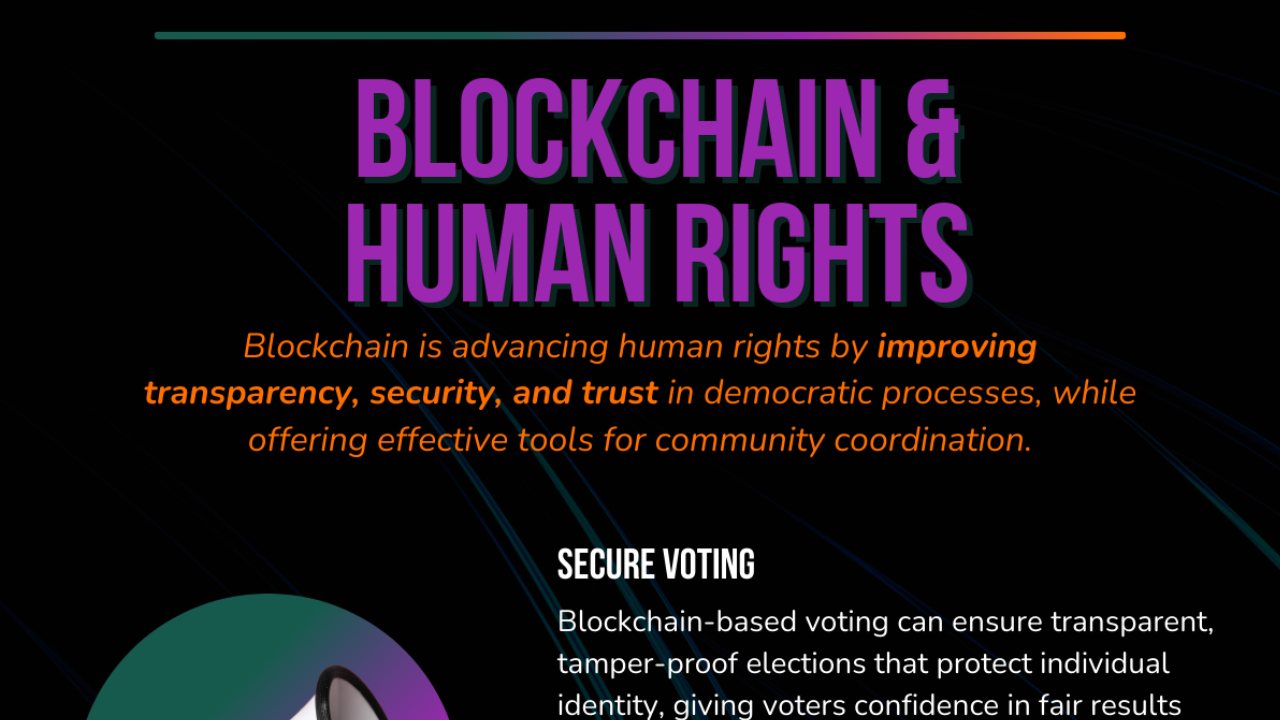
But where these tools are being tested under real constraints, the work looks nothing like the headlines. Here's where we see it:
None of this is finished. But it's not hypothetical either.
We see real progress, and we also see real reasons to stay critical. Both are part of the picture, and holding that honestly is more useful than cheerleading or writing the whole thing off.
Not because we think the space has earned blind faith. It hasn't.
Not out of habit, or sunk cost, or tribal loyalty.
We're staying because the direction the space takes depends on who's still in the room.
One path leads further into speculation, grift, and political and corporate capture. A future where crypto becomes just another tool for authoritarianism, surveillance, and extraction.
The other path is quieter, slower, and focused on building systems that actually work for people. Infrastructure for democracy, not control. Community ownership, not extraction. Resilience for when traditional systems fail.
Both are happening at the same time. And one will win out.
That's what people miss about walking away. It feels like a statement, but nothing pauses. What gets built, who it serves, what becomes normal... all of that keeps moving. The only thing that changes is whether the people who care have a hand in shaping it.
We reflected more on all of this in a recent solo episode: What Are We Building For? Democracy, Authoritarianism, and the Future of Crypto.
If we've learned anything from running a Web3 for good media platform, it's that good work doesn't promote itself. It needs people willing to show up for it, talk about it, and hold the space around it.
If these tools are becoming part of how the world moves money, proves identity, funds impact, and organizes collectively, the question was never really whether to stay.
It's what kind of space we leave behind if we don't.
Support thoughtful, independent crypto journalism and help us continue highlighting blockchain’s potential for social and environmental impact.
cryptoaltruists.eth